
All · Building Thinking Classrooms · In The Media · Math Concepts · Math Practices · Math Splash · Mathodology Monday · Roundtables · Social Media Q&A · think! Mathematics FAQ


Vanessa Vakharia, known as The Math Guru, is a passionate math educator, author, and podcast host who’s on a mission to change the way we see math. She specializes in making math accessible and fun for anyone who’s ever felt like they “just aren’t a math person.” Vanessa’s creative approach breaks down barriers and helps people build confidence with numbers. Her talks are energetic, relatable, and full of real-world advice for finding your voice in STEM. We’re thrilled to welcome her as a roundtable guest!
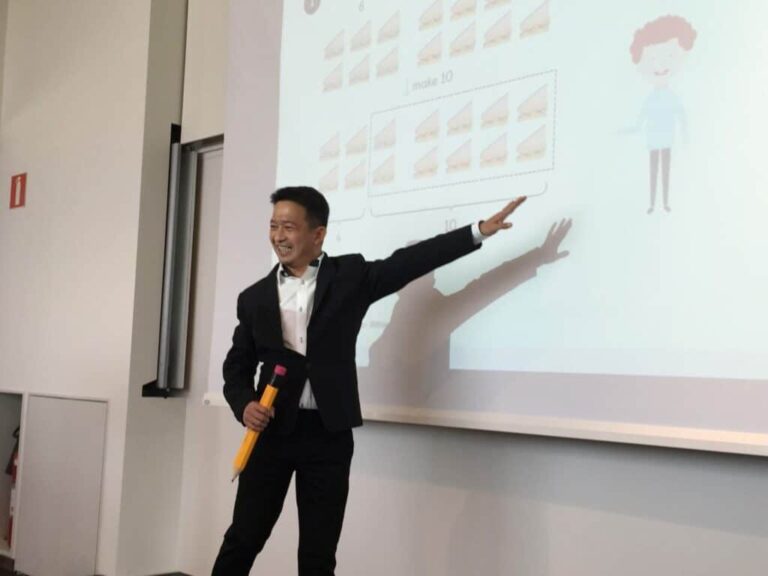
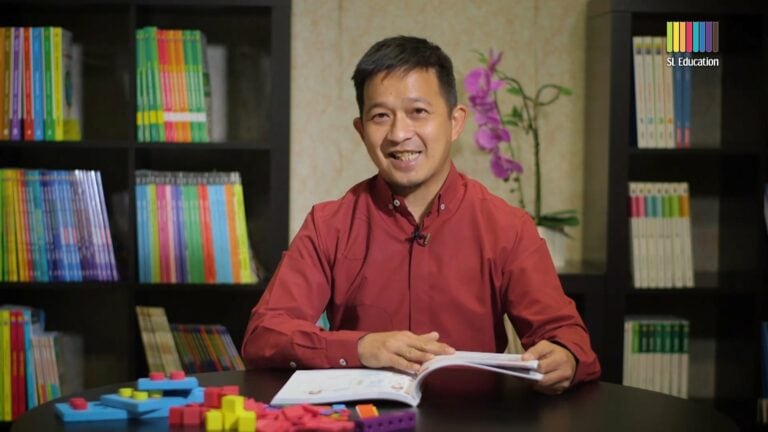
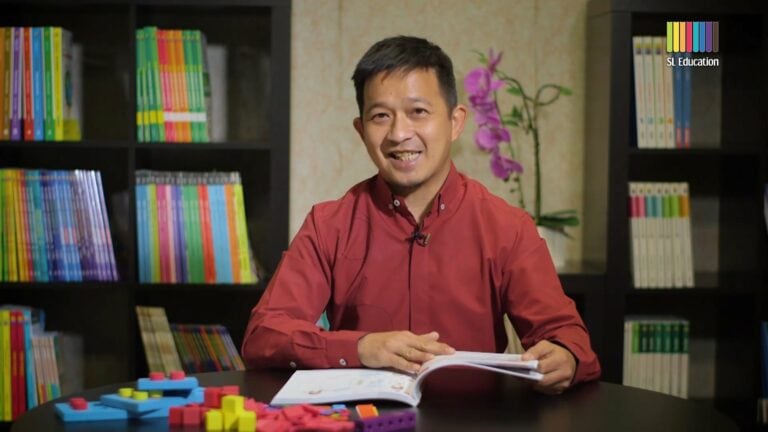
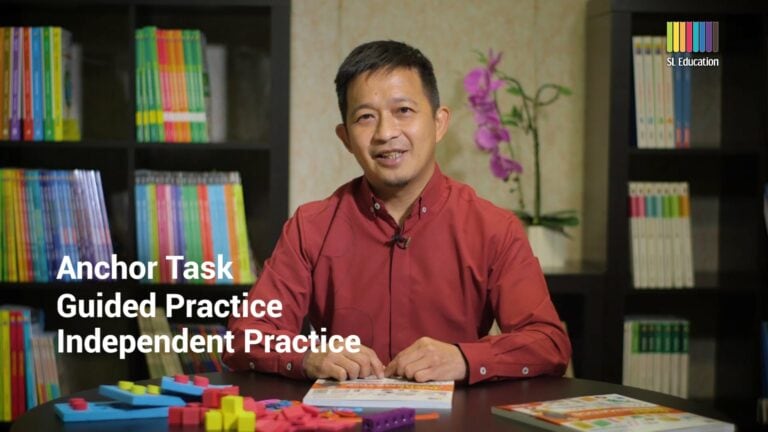
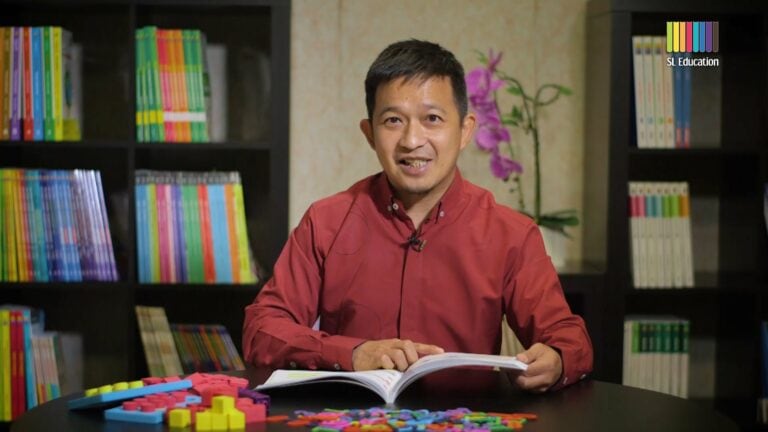
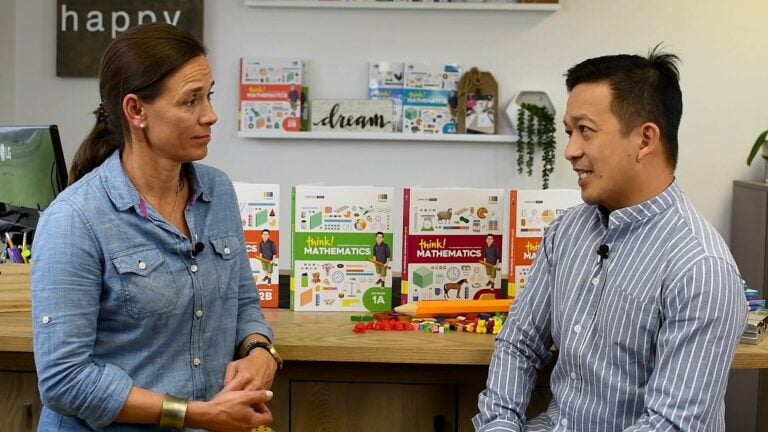
Dr. Yeap Ban Har is a leading expert in mathematics education, known for his work in deep, meaningful math learning. A former teacher and longtime faculty member at Singapore’s National Institute of Education, he has trained educators and shaped curriculum in over 30 countries. As co-creator of the “think! Mathematics” series and a sought-after speaker, Dr. Yeap’s practical, research-based strategies continue to transform how students and teachers experience math worldwide.
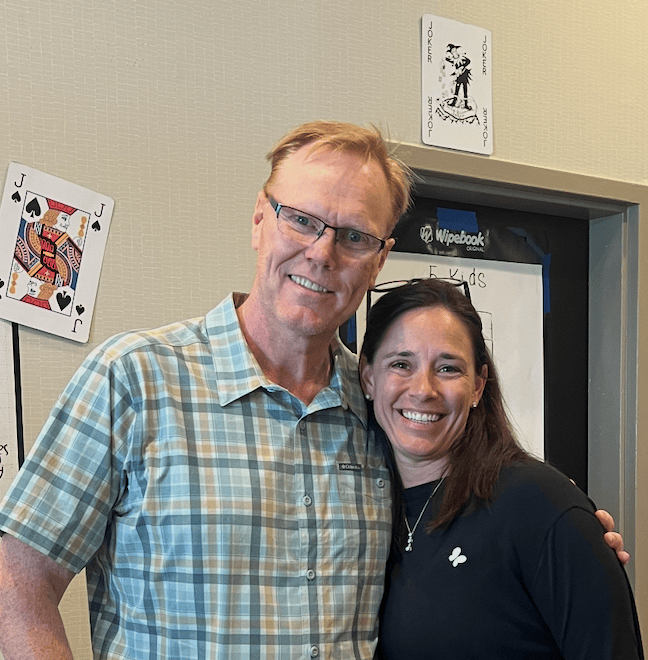
Dr. Peter Liljedahl is a Professor of Mathematics Education at Simon Fraser University and the creator of the Building Thinking Classrooms framework. Renowned for his practical, research-driven approach, he has inspired teachers worldwide to move beyond passive math instruction and foster real student engagement. An award-winning educator, author, and former high school teacher, Dr. Liljedahl’s work continues to shape how math is taught in classrooms everywhere.
Dr. Yeap Ban Har is a leading expert in mathematics education, known for his work in deep, meaningful math learning. A former teacher and longtime faculty member at Singapore’s National Institute of Education, he has trained educators and shaped curriculum in over 30 countries. As co-creator of the “think! Mathematics” series and a sought-after speaker, Dr. Yeap’s practical, research-based strategies continue to transform how students and teachers experience math worldwide.
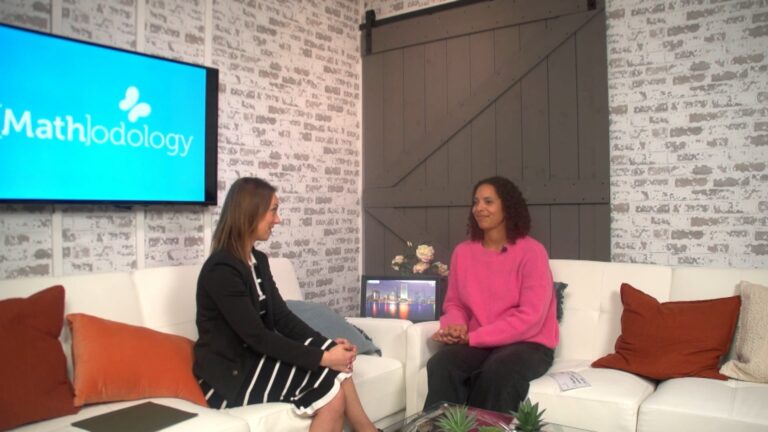

Education Champions is an inspiring talk show that shines a spotlight on educators and leaders who are making a difference in the world of education. Each episode delves into the stories of these passionate individuals and organizations, focusing on their commitment to improving education for students, schools, and communities.

Maegan Giroux brings 15 years of diverse teaching experience to the conversation, having taught grades 5-9 and currently working with both kindergarten and sixth-grade students. During our discussion, she shared valuable insights about creating effective thinking-based mathematics classrooms.
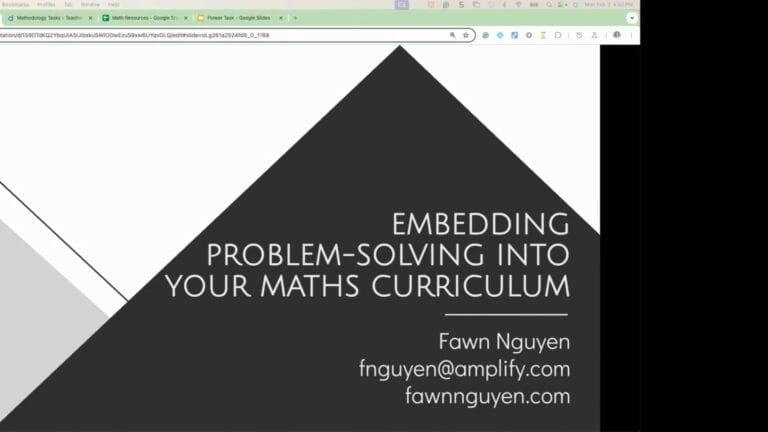
Math isn't just about getting the right answer - it's about thinking deeply. As Fawn Nguyen shows us, problem solving isn't an extra activity; it's the heart of learning math. When students tackle challenging problems, they develop skills that last far beyond the classroom.

Mike Kenny, a 5th grade math teacher in Vermont, created MathFactLab after researching the most effective ways for students to gain fluency with their facts and not being satisfied with the resources available.



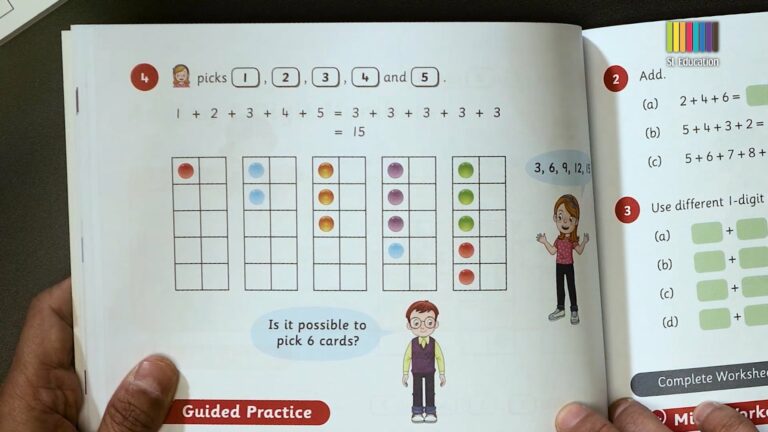
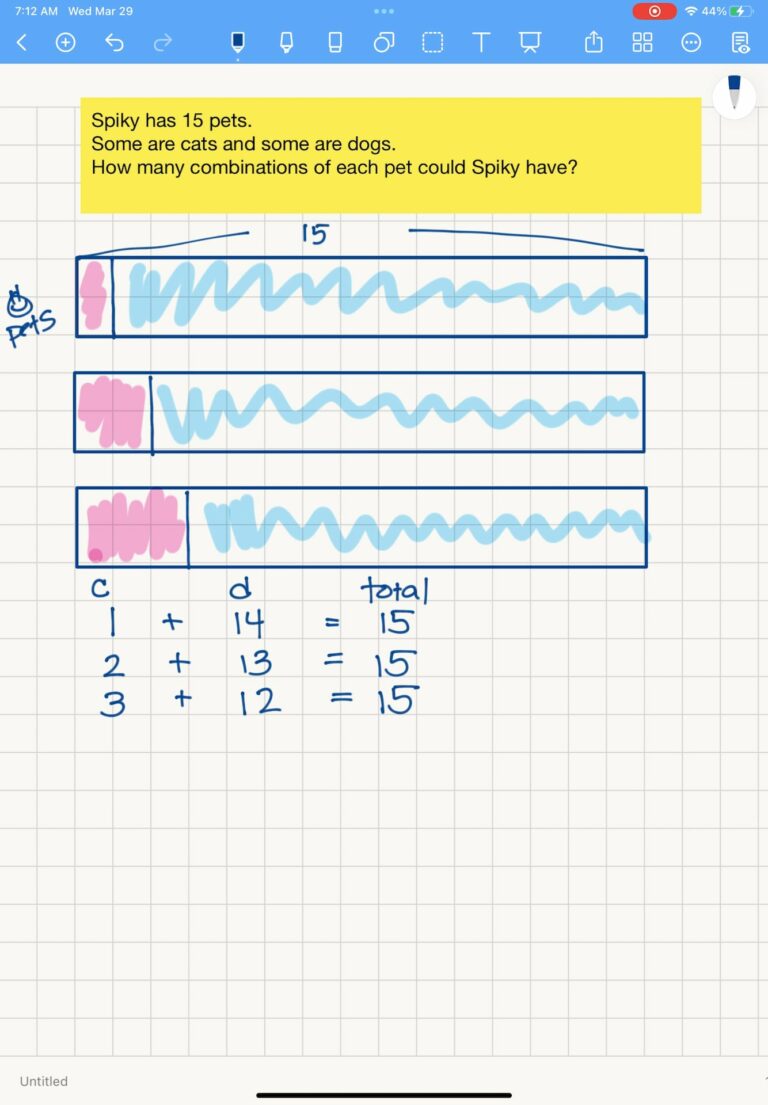
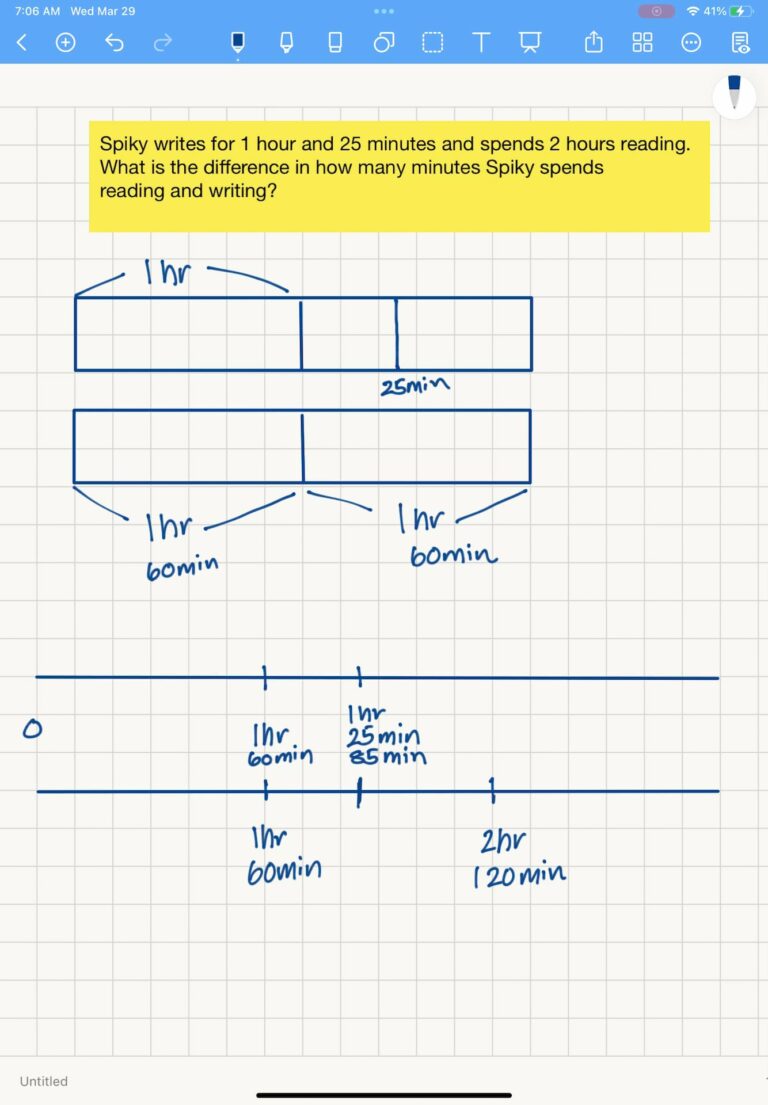
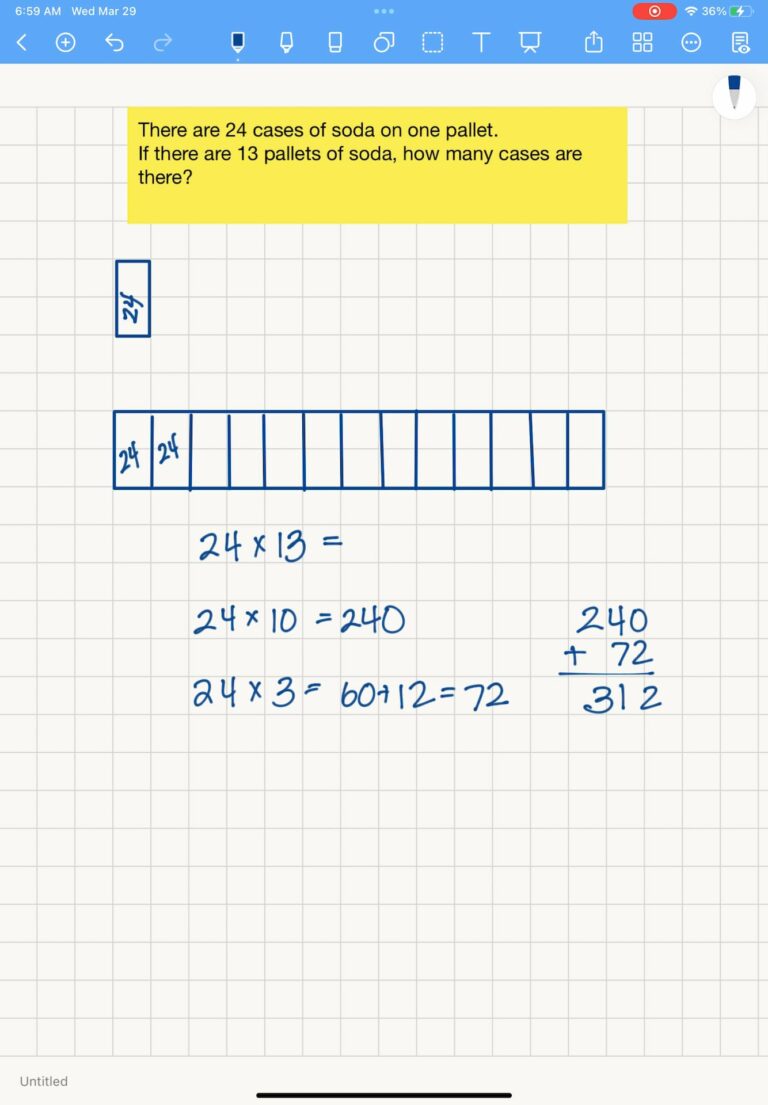








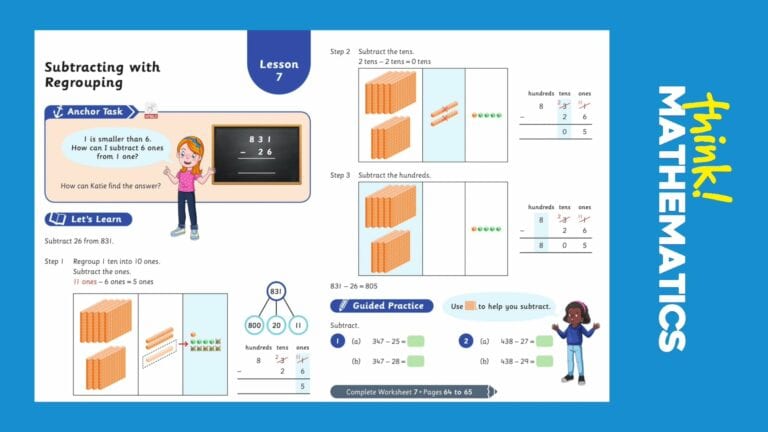
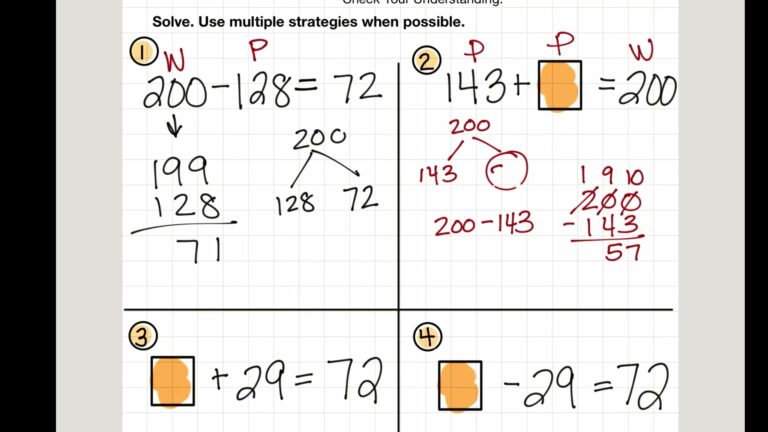
Sarah explains how students learn to decompose numbers in early grades when working with number bonds.

![Assessment: The Silent Killer of Learning / Eric Mazur [Dudley Herschbach Teacher/Scientist Lecture]](https://www.mathodology.com/wp-content/uploads/Assessment-The-Silent-Killer-of-Learning--768x531.png)