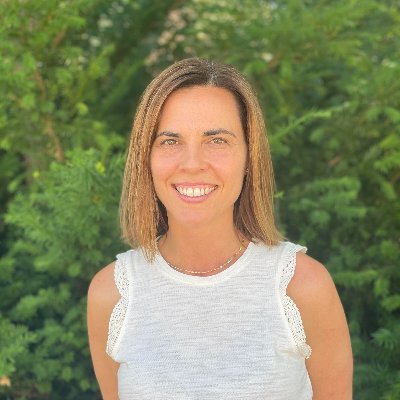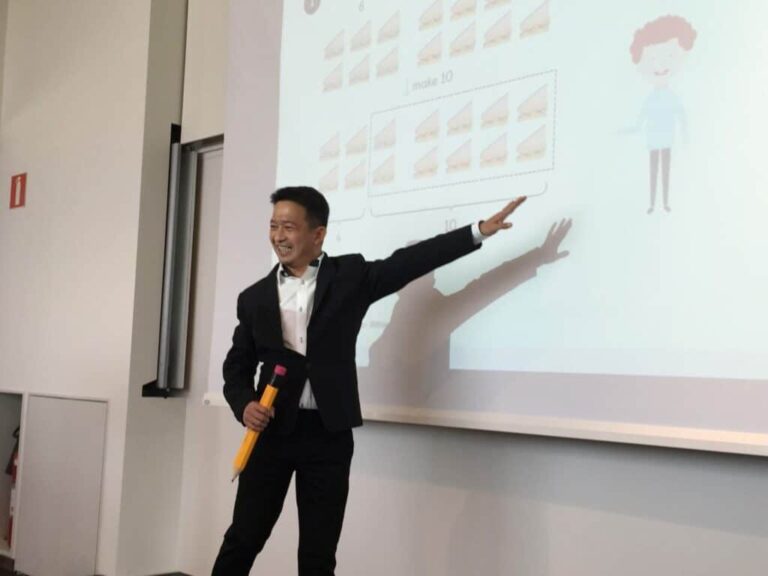
Hosted by Christina Tondevold
October Roundtable Recap: Funneling vs. Focusing
We held October’s Roundtable on World Teachers’ Day, so we’ll start with thank you! Our guest, Christina Tondevold, founder of Build Math Minds and a self-described “recovering traditionalist,” taught us a simple shift that changes a lot: the question we ask after the first one matters most.
Christina drew on the NCTM article “Questioning Our Patterns of Questioning” to compare two approaches. Funneling leads students step by step toward the answer we already have in mind. On 38 plus 25, it sounds like “What’s 30 plus 20? Now what’s 8 plus 5?” The student answers each piece but does very little of the thinking. Focusing starts with the student: “What did you notice first? Tell me more about that.” Then we bring out the big math idea and open the conversation to the whole class.
A few points stood out. Ask the same questions whether an answer is right or wrong, so being questioned never means “you’re wrong.” Students often catch their own mistakes as they explain. Focusing takes more class time, but it shows us far more about what students understand. Funneling still has a place, as long as we tell students why we’re asking.
Sarah brought it into the classroom with a recent example. Students found the difference between 499 and 503 by stacking and subtracting. They got the right answer but couldn’t explain difference as the distance between two numbers until a number line came out. Her advice was to know the big math idea before you ask your next question, and to keep the strategies you’ve named posted where students can see them.
📎 Christina’s slides: [HERE]
Key takeaways
- The follow-up question matters more than the first one.
- Ask the same questions whether an answer is right or wrong.
- Name strategies and keep visual cues where students can see them.
In Your Words: What You’ll Try Tomorrow
“Don’t assume; let the students explain.”
“Precise math language.”
“I love that follow-up question: what did you notice first?”
“Funneling vs focusing: need to move toward focusing.”
“Ask more open ended questions.”