Making Sense of Word Problems: Supporting Student Comprehension Through Structure
Dr. Yeap Ban Har’s roundtable, “Making Sense of Word Problems: Supporting Student Comprehension Through Structure,” explored how to help students truly understand word problems—moving beyond just chasing answers. Dr. Yeap traced how Singapore’s approach evolved from struggling with word problems in the 1980s to adopting “bar modeling,” a visual strategy that helps students make sense of complex scenarios by representing them with simple diagrams. He emphasized that, unlike the step-by-step routines sometimes seen in the US, bar modeling in Singapore is used flexibly as a thinking tool, not a rigid recipe.
Throughout the session, Dr. Yeap modeled how teachers can guide students by chunking problems into small, manageable parts and encouraging them to pause, visualize, and revise their understanding at each step. He encouraged using questions like “Who is in the story?” and “What is this part about?” to keep students focused on comprehension, not just calculation. For younger learners, he recommended using concrete materials like paper strips to build the foundational habits of modeling and reasoning—which aligns with Bruner’s theory of moving from concrete experience to abstract thinking.
Dr. Yeap also shared practical ways to differentiate and deepen learning: sometimes covering up numbers to focus on meaning, inviting students to pose their own questions, and encouraging them to check if their diagrams and understanding match the story. He stressed that the real teaching in word problems is about helping students manage information, visualize relationships, and develop metacognitive habits—rather than simply drilling calculation skills.
The roundtable wrapped up with a reminder to slow down, work alongside students, and focus on understanding before solving. Dr. Yeap’s approach empowers both teachers and students to see word problems as opportunities for meaningful thinking and growth, no matter the grade level. For more examples and resources—including monthly word problems for different grades—be sure to check the recap and upcoming sessions.
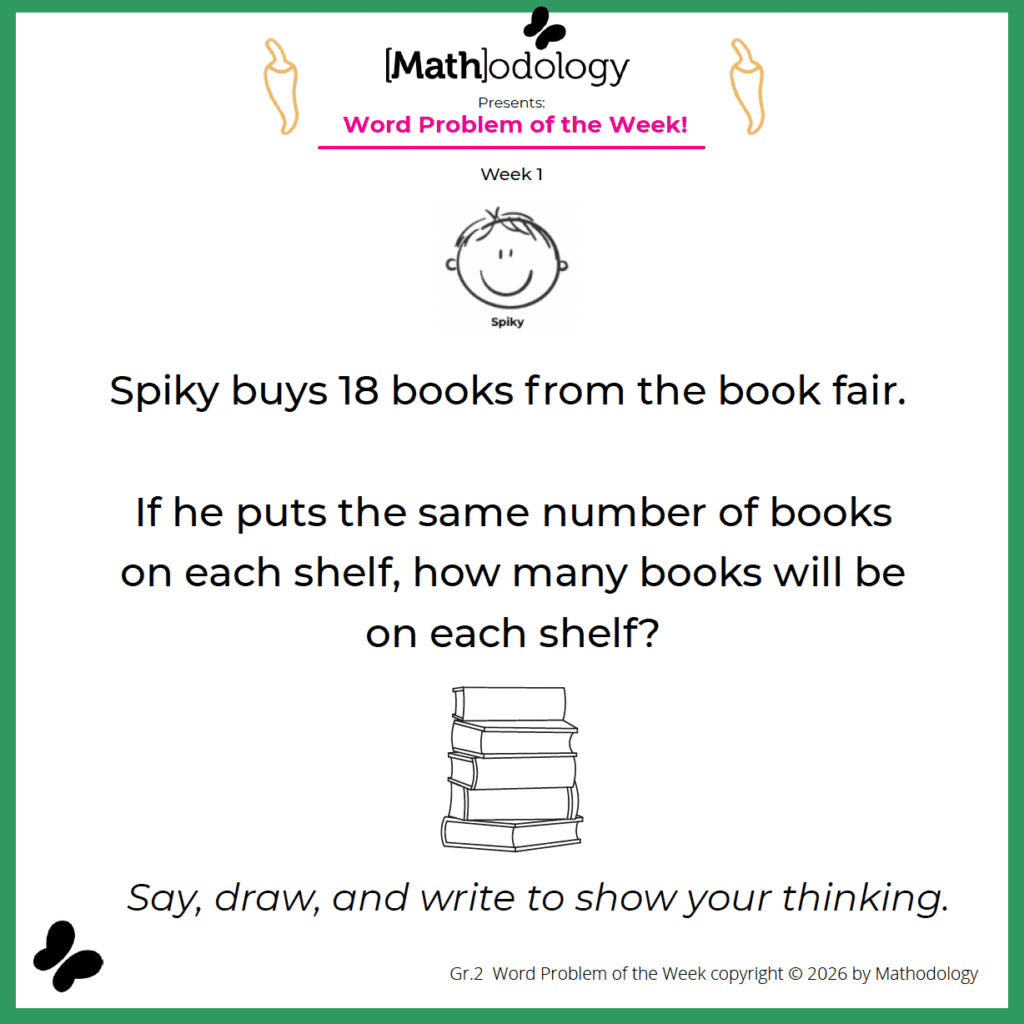
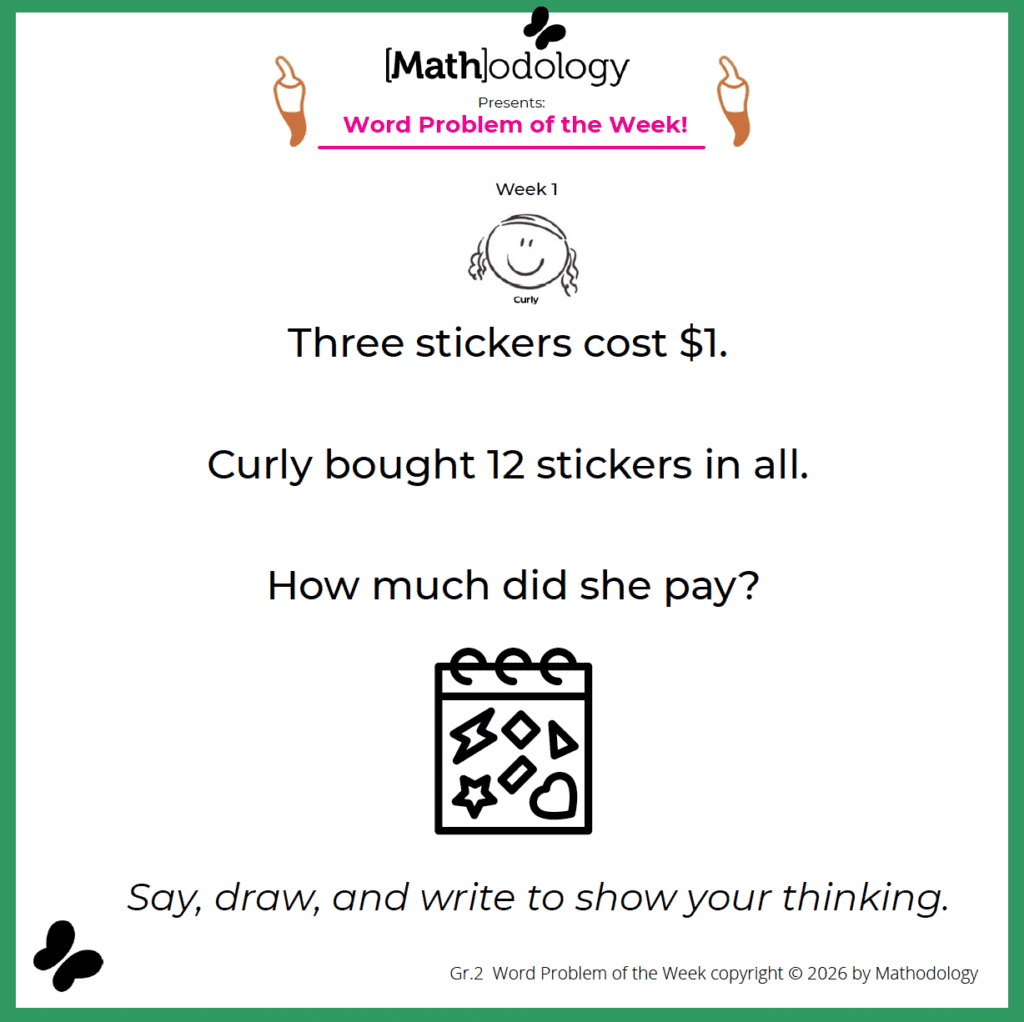
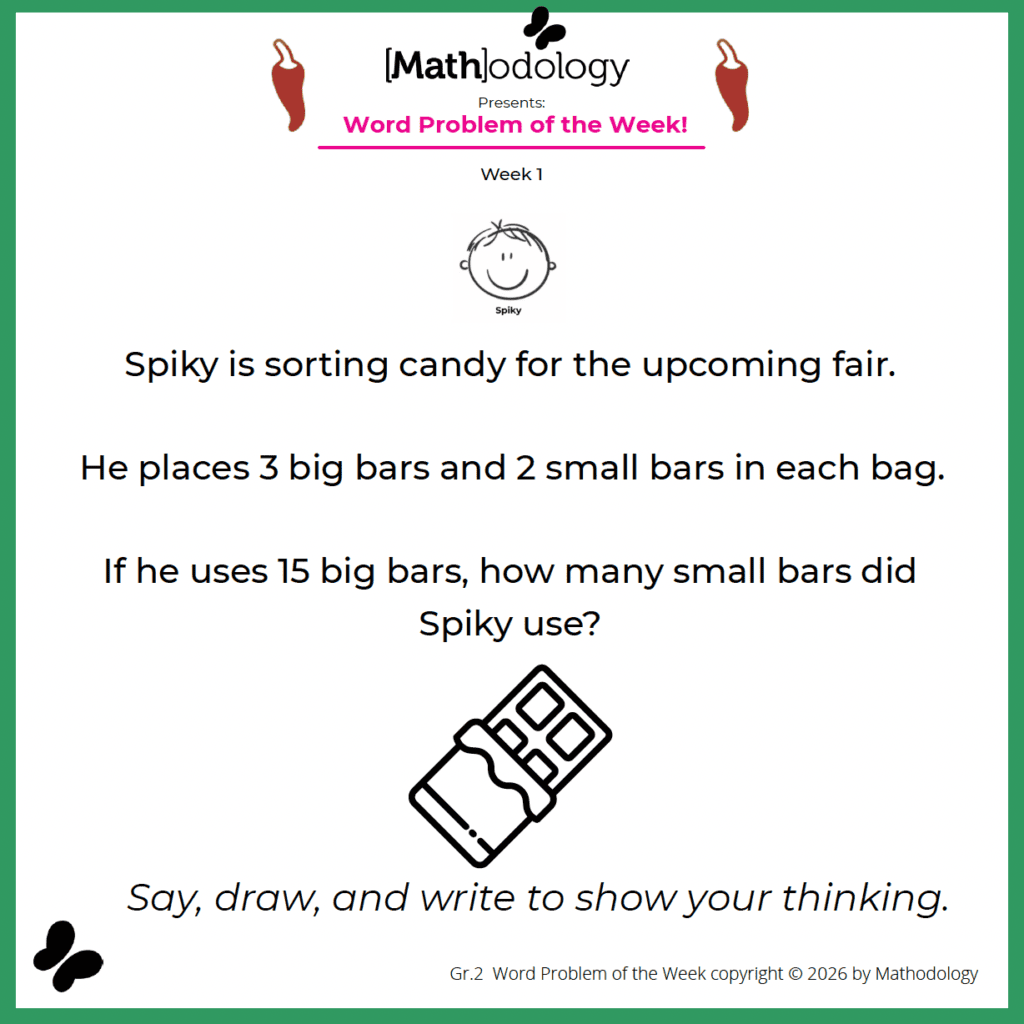
Example of Mild, Medium, and Spicy Word Problems of the Week (Grade 2):