
think! Mathematics: Revolutionizing Math Education
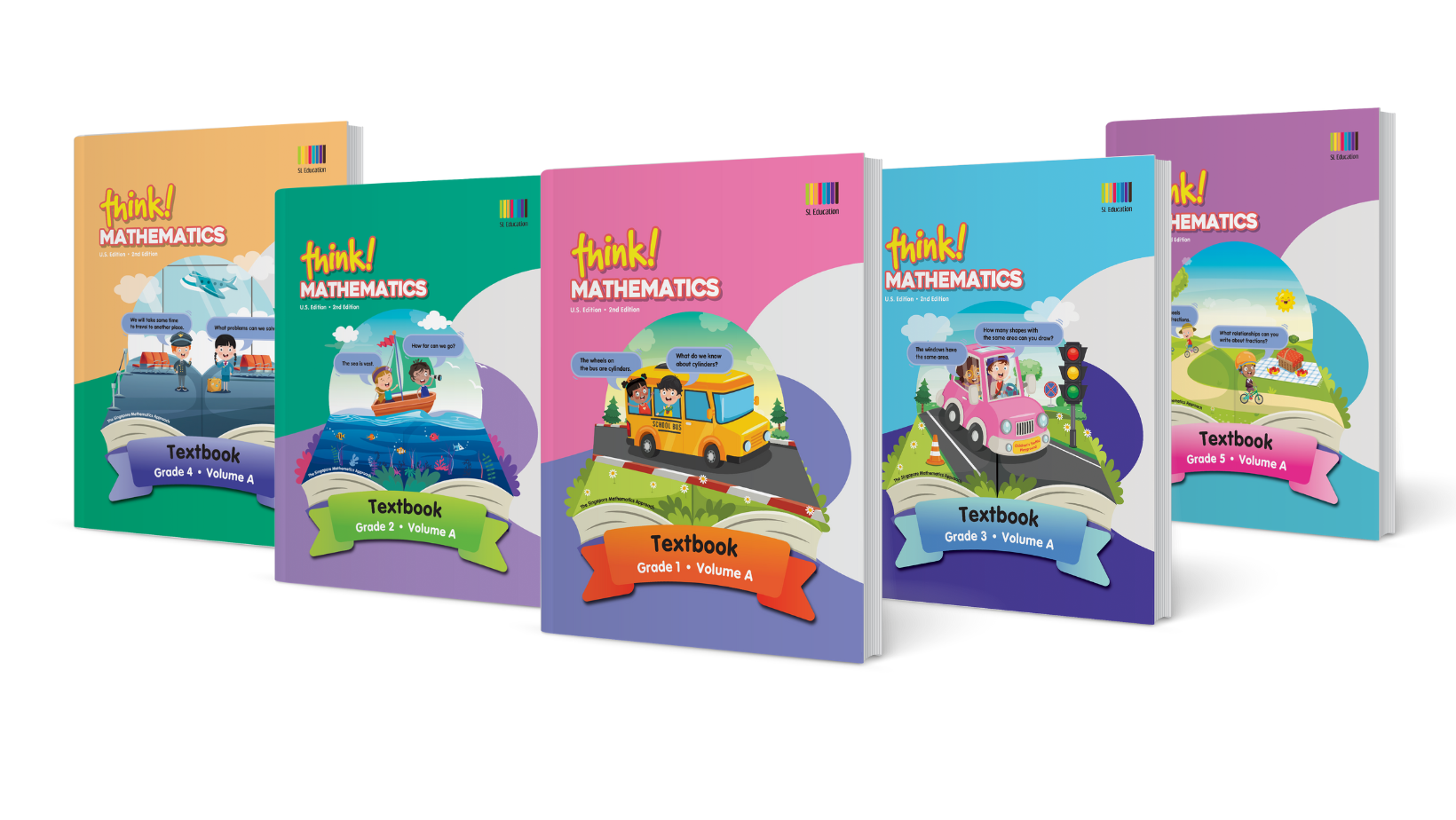
think! Mathematics is an integral part of our comprehensive program to revolutionize math education. This textbook series, published by SL Education in Singapore, is renowned worldwide for its innovative approach to building better math students.
think! Mathematics delivers meaningful instruction that enables all learners to explore and connect concepts seamlessly.
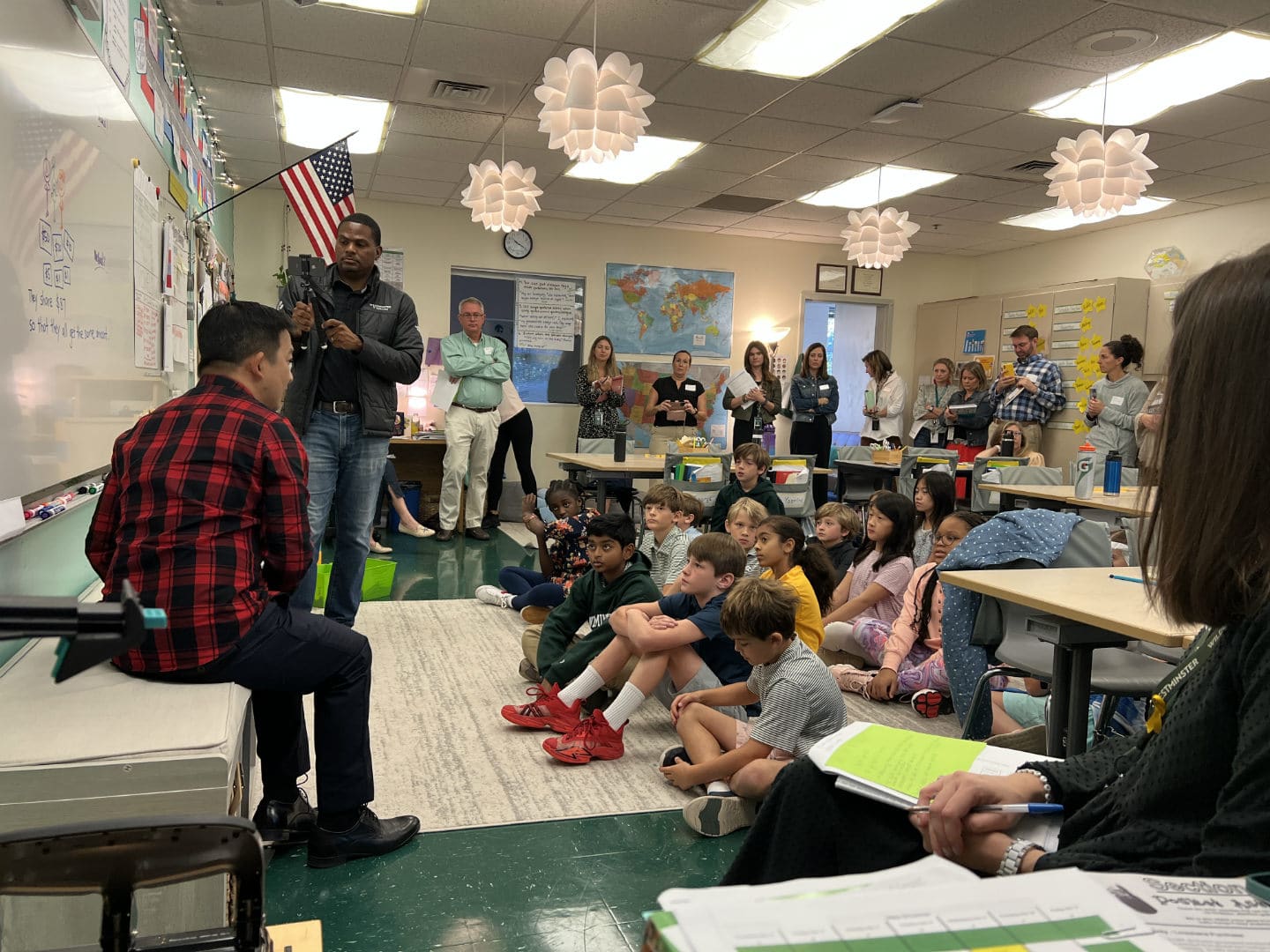
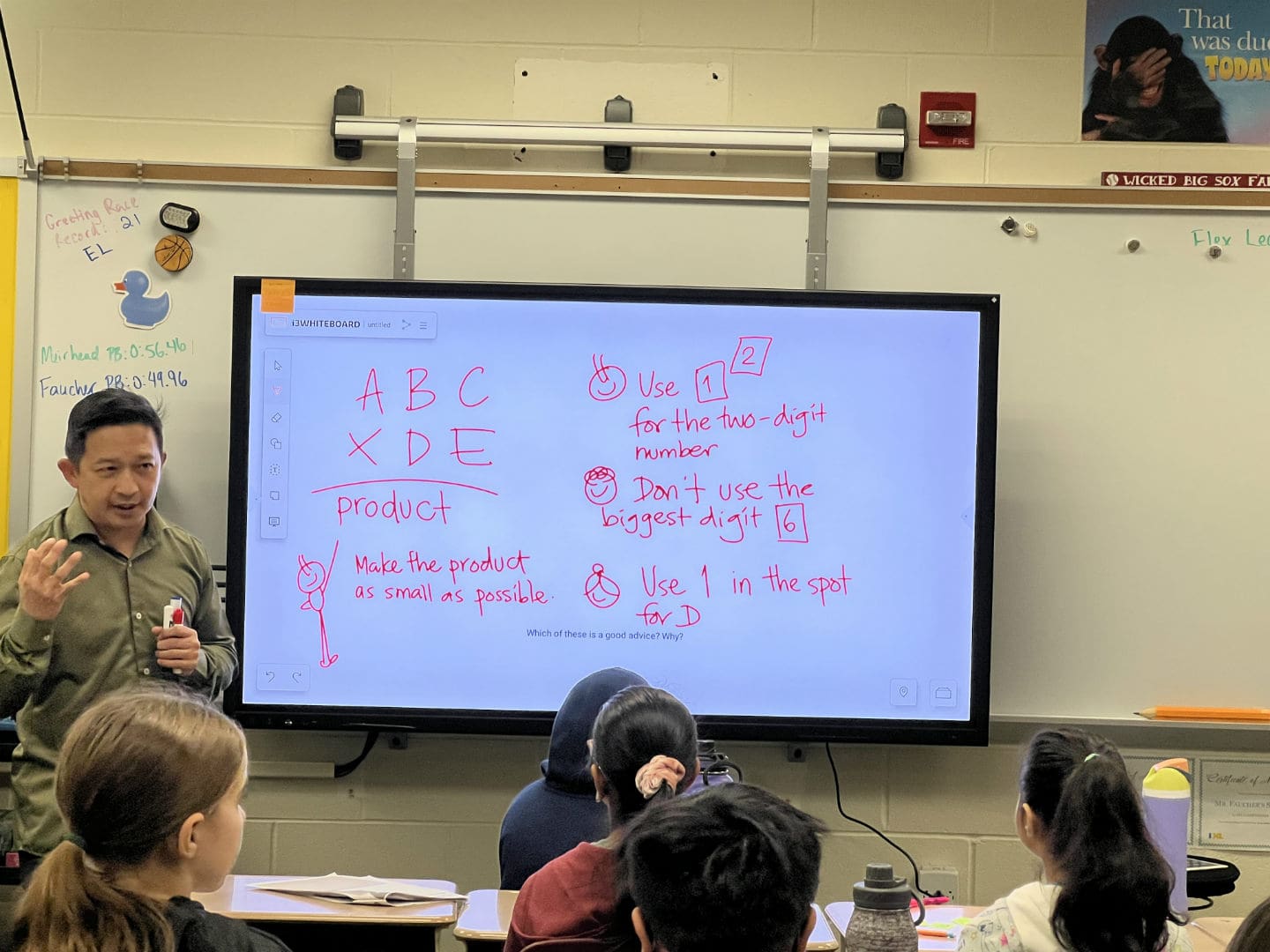
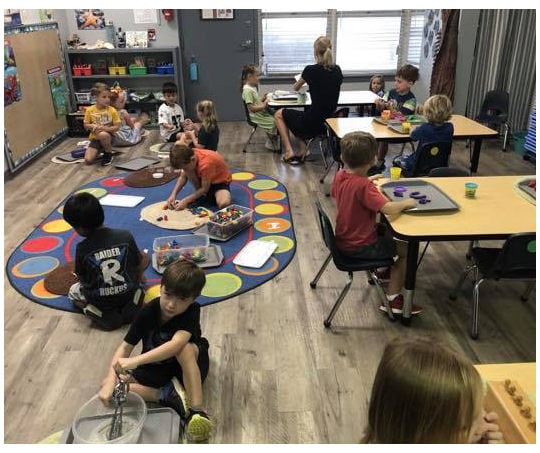
Why think! Mathematics?
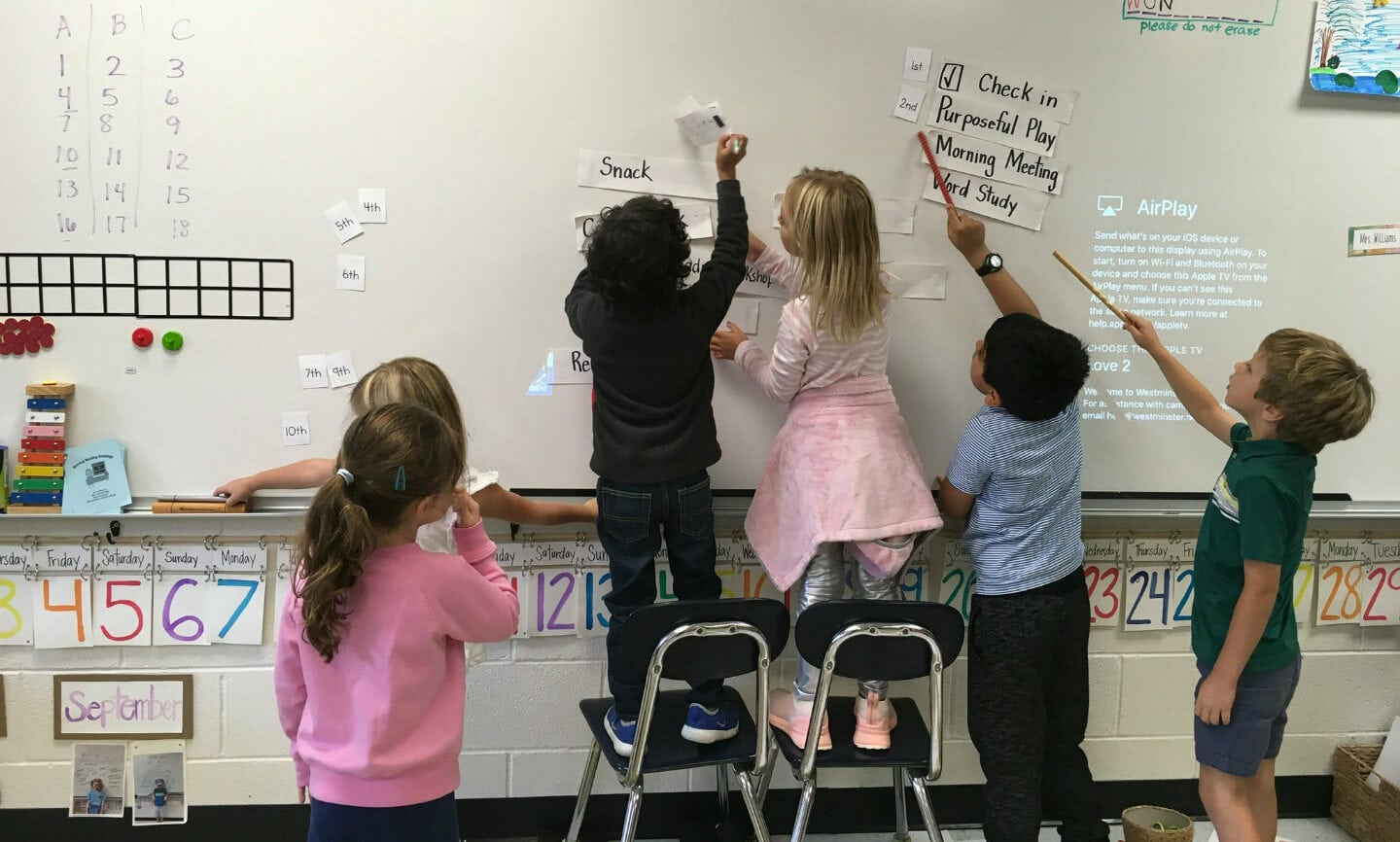
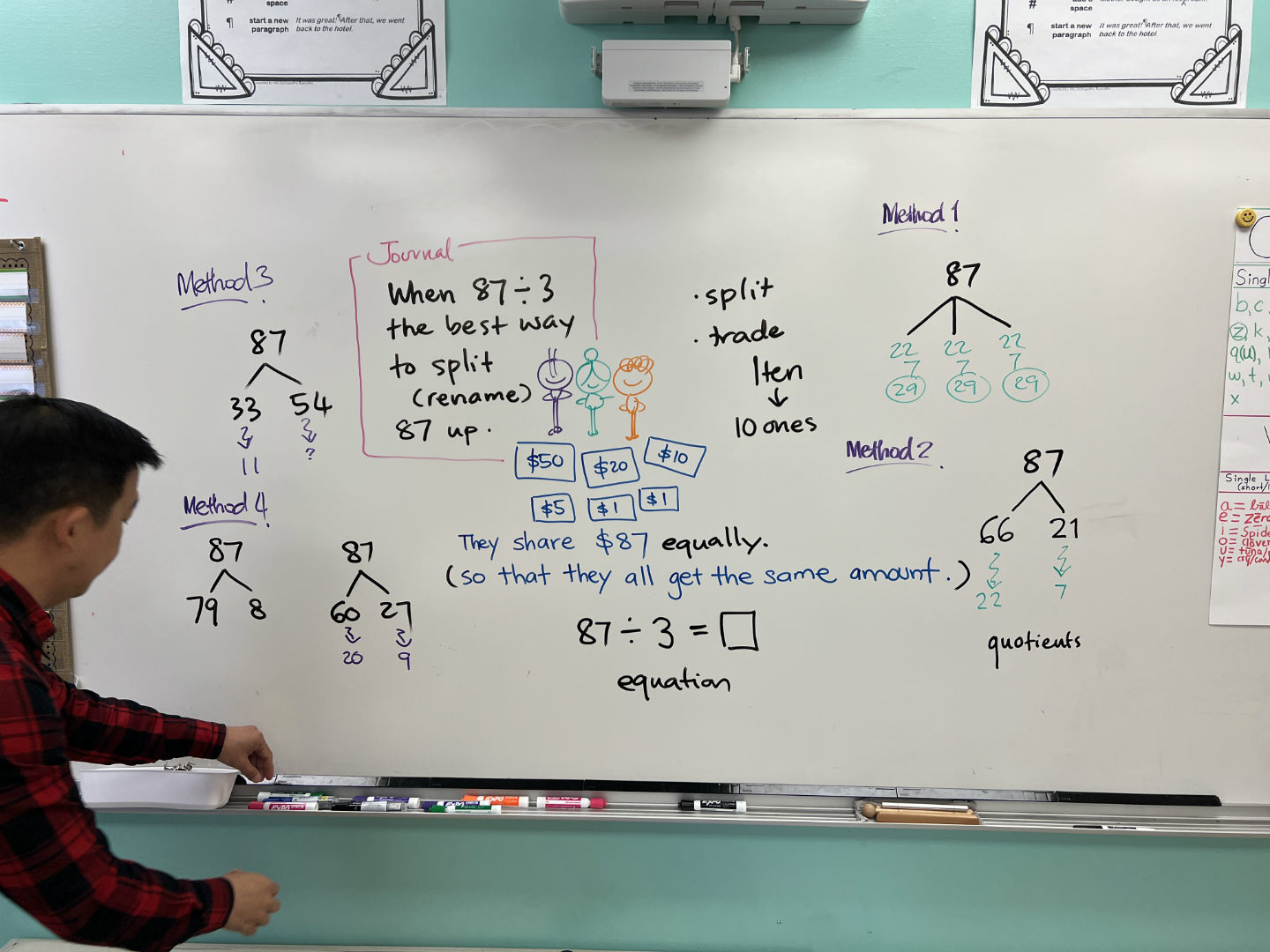
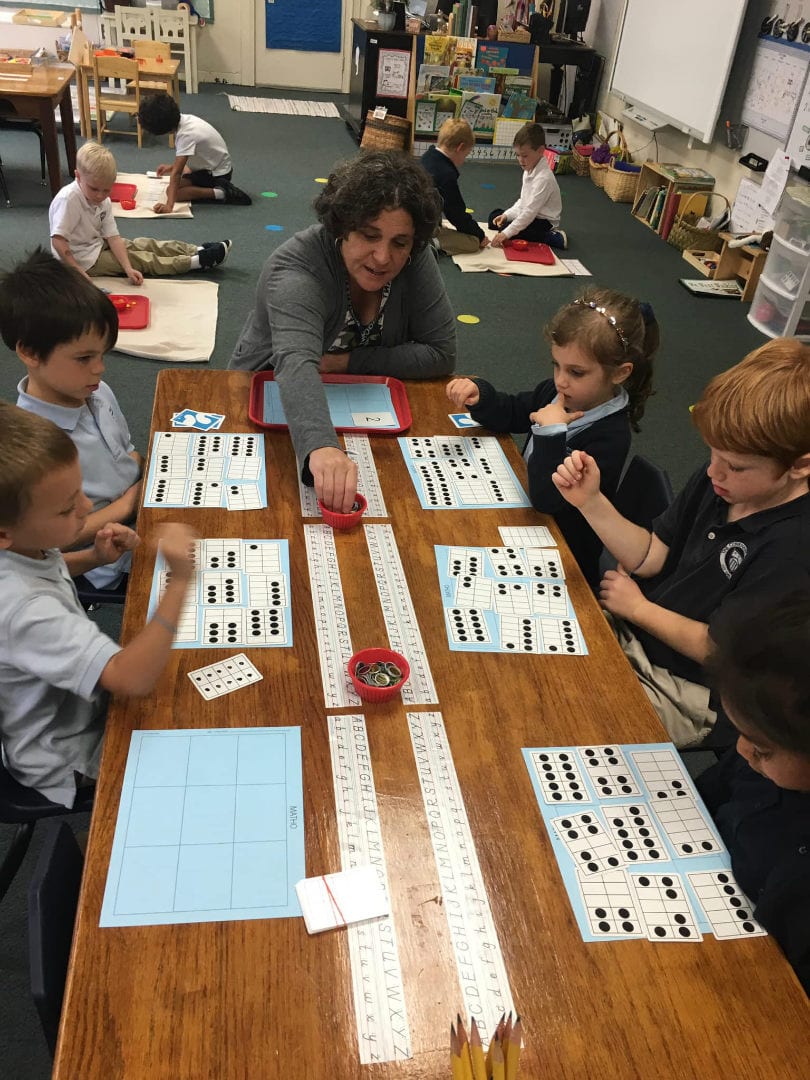
Whether you are new to teaching or an experienced educator, think! Mathematics equips you with the skills to meet the demands of today’s dynamic instructional landscape. We have fully integrated think! Mathematics with Mathodology, utilizing videos, workshops, and hands-on, on-site training to implement customized strategies for incredible student success.
Mathodology was the very first distributor of think! Mathematics in the United States, giving us extensive experience and deep knowledge of the program. This makes us the best educators for implementing think! Mathematics.


Dive into the Development of think! Mathematics
Learn about the research behind the program, the key components, and suggestions for implementing think! Mathematics in your school.
Join the many schools and teachers who have already discovered the benefits of Developing Roots. Start building a strong mathematical foundation for your students today with Mathodology's Developing Roots program.
Disclaimer: This table is best viewed on a desktop.
Numbers and Operations in Base Ten - Whole Numbers
| Grade 1 | Grade 2 | Grade 3 | Grade 4 | Grade 5 | Grade 6 | |
|---|---|---|---|---|---|---|
| Count | Count to 120. | Count to 1,000. | Count to 10,000. | |||
| Count to 120, starting at any number less than 120. | Count by hundreds, tens, and ones. | Count by thousands, hundreds, tens, and ones. | ||||
| Skip count by tens to 100 | Skip count by 5s, 10s, and 100s. | Skip count by 100s and 1,000s. | ||||
| Positions and Ordinal Numbers | Name positions in a race and in a line. | |||||
| Name positions in a row from the left and from the right. | ||||||
| Describe positions. | ||||||
| Read and Write | Read and write numbers to 120 in numerals and in words. | Read and write numbers to 1,000 using numerals, number names, and expanded form. | Read and write numbers to 10,000 using numerals, number names, and expanded form. | Read and write numbers up to 10,000,000 using numerals, number names, and expanded form. | Read and write numbers up to 10,000,000 using numerals, number names, and expanded form. | |
| Place Value | Tell what number each digit in a number within 100 stands for. | Tell what number each digit in a number within 1,000 stands for. | Tell what number each digit in a number within 10,000 stands for. | Tell what number each digit in a number within 10,000,000 stands for. | Tell what number each digit in a number within 10,000,000 stands for. | |
| Compare and Arrange | Compare and arrange numbers within 100. | Compare and arrange numbers within 1,000. | Compare and arrange numbers within 10,000. | Compare and arrange numbers within 1,000,000. | Use positive and negative numbers to represent quantities in real-world contexts (explaining the meaning of 0 in each situation). |
|
| Extend number line diagrams and coordinate axes to represent points on a line and in the plane with negative number coordinates. |
||||||
| Order rational numbers. | ||||||
| Round Numbers | Round numbers to the nearest 10 and 100. | Round numbers to the nearest 10, 100, 1,000, 10,000, and 100,000. |
Numbers and Operations in Base Ten - Decimals
| Grade 1 | Grade 2 | Grade 3 | Grade 4 | Grade 5 | Grade 6 | |
|---|---|---|---|---|---|---|
| Read and write decimal numbers to hundredths. | Read and write decimal numbers to thousandths.. | Add and subtract multi- digit decimals using the standard algorithm. |
||||
| Tell the place value of a digit in a decimal number with up to 2 decimal places. | CTell the place value of a digit in a decimal number with up to 3 decimal places. | Multiple multi-digit decimals using the standard algorithm. |
||||
| Compare and arrange decimal numbers with up to 2 decimal places. | Compare and arrange decimal numbers with up to 3 decimal places. | Divide multi-digit decimals using the standard algorithm. |
||||
| Decimals | Round decimal numbers with up to 3 decimal places to the nearest hundredth, nearest tenth, and nearest whole number. | |||||
| Use addition and subtraction of like fractions to add and subtract decimal numbers with up to 2 decimal places. | Add and subtract decimals to thousandths. | |||||
| Multiply and divide decimals to hundredths with one-digit and two digit whole numbers. |
Operations and Algebraic Thinking
| Grade 1 | Grade 2 | Grade 3 | Grade 4 | Grade 5 | Grade 6 | |
|---|---|---|---|---|---|---|
| Decompose Numbers | Make different number bonds for numbers up to 100. | Decompose two and three digit numbers flexibly using number bonds. | Find the greatest common factor of two whole numbers less than or equal to 100. |
|||
| Make number stories. | Find the least common multiple of two whole numbers less than or equal to 12. |
|||||
| Rewrite the sum of two whole numbers (1-100) with a common factor as a multiple of the sum of two whole numbers with no common factor (i.e. distributive property). |
||||||
| Addition and Subtraction | Add by counting, counting on, doubling, making 10, adding ones, and adding tens. | Fluently add and subtract numbers up to 100 using strategies with and without regrouping. | Fluently add and subtract numbers up to 1,000 using strategies with and without regrouping. | Fluently add and subtract multi-digit whole numbers using the standard algorithm. | ||
| Add and subtract within 1000, using concrete models or drawings and strategies based on place value, properties of operations, and/or the relationship between addition and subtraction. | ||||||
| Add three numbers. | Add four numbers. | Estimate sums and differences. | Estimate sums and differences. | |||
| Write addition and subtraction equations. | Add and subtract numbers mentally. | Add and subtract numbers mentally. | Add and subtract numbers mentally. | |||
| Make addition and subtraction stories. | ||||||
| Subtract by crossing out, counting back, subtracting ones, and subtracting from 10. | ||||||
| Make families of addition and subtraction facts. | ||||||
| Find 1 more, 10 more, 1 less, 10 less | Find 10 more, 100 more, 10 less, 100 less | |||||
| Do simple addition and subtraction and add and subtract numbers with regrouping. | ||||||
| Add odd and even numbers. | ||||||
| Multiplication and Division | Make equal groups and rows, and use skip-counting and adding to multiply. | Multiply two 1-digit numbers to get multiplication facts, and multiply 2-digit by 1-digit numbers. | Multiply 3-digit numbers by 1-digit numbers, 4-digit numbers by 1-digit numbers, and 2-digit numbers by 2-digit numbers. | Multiply whole numbers by powers of ten and multiply numbers up to 4-digit numbers by 1-digit whole numbers and 3-digit numbers by 2-digit whole numbers. | Divide multi-digit numbers using the standard algorithm. |
|
| Divide 2-digit number by 1-digit number using multiplication facts. | Divide 3-digit and 4-digit numbers with and without remainder. | Divide numbers up to 4-digit numbers by 2-digit whole numbers and divide whole numbers by powers of ten. | Write and evaluate numerical expressions involving whole-number exponents. |
|||
| Interpret remainders in division. | ||||||
| Write multiplication equations as repeated addition. | Make a family of multiplication and division facts. | |||||
| Use multiplication and division to solve word problems. | ||||||
| Find multiples and factors, identify prime numbers and composite numbers. | ||||||
| Recognize odd and even numbers and write even numbers as a doubles equation. | ||||||
| Word Problems | Solve word problems involving addition or subtraction, and addition of three numbers. | Solve one-step and two-step word problems involving addition, subtraction, multiplication, and division. | Solve one-step and two-step word problems involving addition, subtraction, multiplication, and division. | Solve multi-step word problems involving addition, subtraction, multiplication, and division of whole numbers and fractions. | Solve multi-step word problems involving addition, subtraction, multiplication, and division. | Solve word problems by graphing points in all four quadrants of the coordinate plane. |
| Solve word problems involving whole numbers and fractions including mixed numbers and decimals. | Solve word problems involving areas that are composed or can be decomposed from rectangles and triangles. |
|||||
| Draw models for different situations to solve addition and subtraction word problems. | Draw models for different situations to solve addition and subtraction word problems. | Solve word problems using objects, diagrams, and equations including a letter to represent an unknown number. | Solve word problems using objects, diagrams, and equations including a letter to represent an unknown number. | Solve word problems using objects, diagrams, and equations including a letter to represent an unknown number. | Solve word problems involving volume or right rectangular prisms. |
|
| Solve word problems involving polygons on the coordinate plane given the coordinates for the vertices. |
||||||
| Solve word problems that require finding surface area by using nets made up of triangles and rectangles. |
||||||
| Write expressions when solving a real-world problem. |
||||||
| Solve word problems by writing and solving equations involving nonnegative rational numbers that require isolating a variable using a single operation. |
||||||
| Use variables to represent two quantities in a word problem that change in relationship to one another (dependent and independent variables). |
||||||
| Use ratio and rate reasoning to solve word problems using tables, tape diagrams, double-number lines, or equations (e.g. unit pricing, constant speed, percent of quantity, conversion of measurement units). |
||||||
| Algebra | Create a number or shape pattern based on a specific rule, and recognize observable characteristics of the pattern that are not directly stated in the rule. | Use words, symbols, and letters to describe and complete a number pattern. | Write, read, and evaluate expressions in which letters stand for numbers. |
|||
| Write algebraic expressions. | Apply the properties operations to generate equivalent expressions. |
|||||
| Show relationship between numbers in number patterns using a graph. | Identify when two expressions are equivalent. |
|||||
| Understand solving an equation or inequality as a process of finding which values from a specified set, if any, make the equation or inequality true. |
||||||
| Use substitution to determine whether a given number makes a equation or inequality true. |
||||||
| Use variables to represent numbers. | ||||||
| Understand that a variable can represent an unknown number or any number in a specified set. | ||||||
| Write an inequality of the form x > c or x < c to represent a constraint or condition in a mathematical problem. |
||||||
| Recognize x > c or x < c have infinitely many solutions and represent solutions on a number line. |
||||||
| Analyze the relationship between independent and dependent variables using graphs, tables, and equations. |
Number and Operations - Fractions
| Grade 1 | Grade 2 | Grade 3 | Grade 4 | Grade 5 | Grade 6 | |
|---|---|---|---|---|---|---|
| Understand Fractions | Show halves and fourths (quarters) of a shape. | Show halves, fourths (quarter), and thirds of a shape. | Show half, fourth (quarter), third, sixth, and eighth of a shape. | Show half, fourth (quarter), third, fifth, sixth, eighth, tenth, and twelfth of a shape. | ||
| Write half, fourth (quarter), and third in words and symbols. | Write half, fourth (quarter), third, sixth, and eighth in words and symbols, and express whole numbers as fractions. | Write half, fourth (quarter), third, fifth, sixth, eighth, tenth, and twelfth in words and symbols. | ||||
| Recognize and write mixed numbers and improper fractions. | ||||||
| Find equivalent fractions. | Find equivalent fractions. | |||||
| Compare parts. | Compare and order fractions by using visual fraction models and showing fractions on number lines. | Compare and order fractions by using visual fraction models and showing fractions on number lines. | ||||
| Show fractions including mixed numbers and improper fractions on a number line. | ||||||
| Write mixed numbers as improper fractions and improper fractions as mixed numbers. | Write fractions greater than one as mixed numbers. | |||||
| Simplify fractions. | ||||||
| Addition and Subtraction | Add and subtract fractions and mixed numbers. | Add and subtract fractions and mixed numbers. | ||||
| Solve word problems involving addition and subtraction of fractions and mixed numbers. | Use estimation to check answers to calculations. | |||||
| Multiplication and Division | Multiply fractions including mixed numbers by whole numbers. | Multiply fractions including mixed numbers by whole numbers. | Divide fractions by fractions. | |||
| Multiply two fractions. | ||||||
| Divide unit fractions by whole numbers, and vice versa. | ||||||
| Solve word problems involving multiplication of fractions. | Solve word problems involving addition, subtraction, multiplication, and division of fractions including mixed numbers. |
Measurement, Data, and Statistics
| Grade 1 | Grade 2 | Grade 3 | Grade 4 | Grade 5 | Grade 6 | |
|---|---|---|---|---|---|---|
| Length and Height | Measure length and height in units. | Measure length and height in meters, centimeters, yards, feet, and inches. | Generate measurement data by measuring lengths using rulers marked with halves and fourths of an inch. | Measure length and height in miles, yards, feet, inches, kilometers, meters, and centimeters. | Include use of coordinates and absolute value to find distances between points with the same first coordinate or the same second coordinate. |
|
| Convert customary units including yards, feet, inches. Convert metric units including kilometers, meters and centimeters. | Convert measurements of length (cm, mm, m, cm, km, m, ft, in, yd, and ft). | |||||
| Compare and order length and height by observation. | Compare and order length and height by measuring. | |||||
| Estimate length and height using yards, feet, inches, meters, and centimeters. | Read scales on rulers including meter stick to measure length and height in yards, feet, inches, meters, and centimeters. | |||||
| Solve word problems on length and height. | Solve problems involving measurements of length. | Solve problems involving conversion of measurements of length. | ||||
| Mass | Compare, measure and estimate mass in kilograms and grams. | Measure mass in tons, pounds, ounces, kilograms, and grams. | ||||
| Change kilograms and grams and tons, pounds, and ounces. | Convert measurements of mass (between kg and g, and lb and oz). | |||||
| Read digital and analog scales. | Read scales on weighing machines. | |||||
| Solve word problems on mass. | Solve problems involving measurements of mass. | Solve problems involving conversion of measurements of mass. | ||||
| Volume of Liquid | Measure and estimate volume of liquid in milliliters and liters. | Measure volume of liquid in liters, milliliters, gallons, quarts, pints, cups, and fluid ounces. | Measure volume of liquid in liters, milliliters, gallons, quarts, pints, cups, and fluid ounces. | |||
| Convert metric volume of liquid: liters, milliliters. Convert customary volume of liquid: gallons, quarts, pints, cups, and fluid ounces. | Convert measurements of volume (l, ml, cup, fl oz, pint, cup, quart, pint, gallon, and quart). | |||||
| Read scales on beakers and measuring cylinders. | ||||||
| Solve word problems on volume. | Solve problems involving measurements of volume. | Solve problems involving conversion of measurements of volume. | ||||
| Volume of Solids | Find the volume of solids, including cubes, and right rectangular prisms. | Find volume of right rectangular prisms with fractional edge lengths. |
||||
| Find the capacity of rectangular boxes. | ||||||
| Solve problems involving volume of solids. | ||||||
| Time | Use words such as minutes, hours, days, weeks, months, and years. | Use words such as minutes, hours, days, weeks, months, and years. | Use words such as seconds, minutes, hours, days, weeks, months, and years. | Use words such as seconds, minutes, hours, days, weeks, months, and years. | Use words such as seconds, minutes, hours, days, weeks, months, years, decades, and centuries. | |
| Tell and write time in hours and half-hours using analog and digital clocks. | Tell and write time from analog and digital clocks to the nearest 5 minutes, using a.m. and p.m. | Tell and write time from analog and digital clocks to the nearest minute, using a.m. and p.m. | Tell and write time to the nearest minute, using a.m. and p.m. and a 24-hour clock. | |||
| Arrange the days of the week and months of the year in order. | Arrange the days of the week and months of the year in order. | Arrange the days of the week and months of the year in order. | ||||
| Recognize days and months on a calendar. | Use a calendar to find things like the number of weeks in a year. | Use a calendar to find the number of days given the start and end date. | ||||
| Convert units of time: minutes and hours. | Convert units of time: seconds, minutes, hours and solve problems. | Change units of time including hours, minutes, and seconds. | ||||
| Measure time intervals in minutes. | Measure time intervals in seconds, minutes, and hours. | |||||
| Solve word problems involving addition and subtraction of time intervals. | Solve problems involving time in hours, minutes, and seconds. | Solve word problems involving time. | ||||
| Money | Recognize coins and count to tell the amount of money. | Name the amount of money in dollars and cents. | Tell an amount of money and write it as a decimal. | |||
| Add and subtract money in dollars and cents. | Add and subtract money in dollars. | Add, subtract, multiply, and divide money in dollars and cents. | ||||
| Solve word problems involving dollar bills, quarters, dimes, nickels, and pennies, using $ and ¢ symbols appropriately. | Solve word problems involving addition and subtraction of money. | Solve problems involving multiplication and division of money. | ||||
| Data | Sort data into categories. Make lists and tables. | Draw picture graphs, bar graphs, and line plots. | Draw, read, and interpret picture graphs, bar graphs, and line plots. | Draw, read, and interpret line plots displaying a data set of measurements in fractions of a unit (4ths, 6ths, 8ths). | Draw, read, and interpret line plots displaying a data set of measurements in fractions of a unit ( 12 , 14 , 18 ). | Display numerical data using dot plots, histograms, and box plots. |
| Make and read tally charts. | Read and interpret picture graphs, bar graphs, and line plots. | Draw, read, and interpret line graphs. | ||||
| Solve problems using information from picture graphs, bar graphs, and line plots. | Solve problems using information from picture graphs, bar graphs, and line plots. | Solve problems using information from line plots (involving operations on fractions). | Solve problems using information from line plots (involving operations on fractions) and line graphs. | |||
| Statistics | Recognize a statistical vs a non-statistical question (one that could have variability in the data). |
|||||
| Describe how the attribute under investigation was measured when given numerical data sets. |
||||||
| Describe the distribution of a set of data by its center, spread, and overall shape. | ||||||
| Describe striking deviations from the overall pattern for numerical data. | ||||||
| Report the number of observations in a data set. |
||||||
| Find measure of variability (interquartile range and/or mean absolute deviation). | ||||||
| Relate the choice of measure of center and variability to the shape of the distribution and the context in which the data were gathered. |
Geometry
| Grade 1 | Grade 2 | Grade 3 | Grade 4 | Grade 5 | Grade 6 | |
|---|---|---|---|---|---|---|
| Two-dimensional Shapes | Name two dimensional shapes (square, rectangle, triangle, circle, hexagon, and trapezoid). | Name two dimensional shapes (triangles, squares, rectangles, trapezoids, hexagon, pentagor, and circles). Identify polygons, quadrilaterals, sides, and vertices. | Recognize squares, rectangles, and rhombuses as examples of quadrilaterals. | Identify scalene, isosceles, equilateral, and right triangles. | Identify types of polygons. Define the terms rectangle and parallelogram. | |
| Draw two dimensional shapes. | Identify congruent figures. | |||||
| Sort two dimensional shapes in different ways (e.g. defining attributes: sides and vertices, non-defining attributes: color, orientation, and size). | Sort two dimensional shapes in different ways (e.g. number of angles, sides, and vertices). | Sort two dimensional shapes based on the presence or absence of parallel or perpendicular lines, or the presence or absence of angles of a specified size. | Sort two dimensional shapes in a hierarchy according to their properties. | |||
| Make and complete patterns with two dimensional shapes (e.g. shape, size, color, and orientation). | ||||||
| Make two dimensional shapes and figures using other two dimensional shapes. | Make two dimensional shapes using other two dimensional shapes. | |||||
| Identify symmetric figures. | ||||||
| Identify and draw lines of symmetry. | ||||||
| Recognize three dimensional shapes from drawings. | ||||||
| Build structures with three dimensional shapes (cube, sphere, cylinder, cone, and rectangular prism). | Make structures using three dimensional shapes (cube, sphere, cylinder, cone, rectangular prism, and triangular prism). | |||||
| Sort three dimensional shapes in different ways (e.g. defining attributes: faces, sides and vertices; non-defining attributes: color, orientation, and size). | Sort three dimensional shapes in different ways (e.g. type of faces). | |||||
| Make and complete patterns with three dimensional shapes (e.g. number of cubes used to build each shape). | ||||||
| Angles | Understand what an angle is and identify angles in two-dimensional shapes (laying the foundations of angles). | Identify right angles and know that a right angle is 90 degrees. | ||||
| Measure angles using a protractor and use degrees as a unit of measure of angles. | ||||||
| Identify acute angles, right angles, and obtuse angles. | ||||||
| Draw angles. | ||||||
| Identify and draw point, line, line segment, endpoints, rays, and perpendicular and parallel lines. | ||||||
| Solve problems involving angles. | ||||||
| Use formulas to find the perimeter and area of squares and rectangles. | ||||||
| Find the length of a side of a figure given its perimeter. | Find the length of a side in a square or a rectangle, given its perimeter or area. | |||||
| Measure area using a square unit. | Use different units of area. | |||||
| Find area of figures using square grids. | ||||||
| Calculate area of squares and rectangles using multiplication. | ||||||
| Find the area of figures made up of squares and rectangles. | ||||||
| Solve problems involving perimeter (squares, rectangles, triangles, and trapezoids) and area (squares and rectangles). | Solve problems involving perimeter and area of polygons. | |||||
| Show that figures that have the same area can have the same or different perimeter. | ||||||
| Coordinate Geometry | Use coordinates. | Draw polygons in the coordinate plane given coordinates for the vertices. |
||||
| Solve problems involving graphs. | Find the area of right triangles, other triangles, special quadrilaterals, and polygons by composing and decomposing into rectangles and triangles. |
|||||
| Plot points and graphs identified by coordinates. | Find the length of a side of a polygon whose points have the same first coordinate or same second coordinates. |
|||||
| Make tables involving whole numbers to represent equivalent ratios. |
||||||
| Three-dimensional Shapes | Name three dimensional shapes (cubes, rectangular prisms, cylinders, cones, and spheres). | Name cubes, rectangular prisms, cylinders, cones, and spheres. | Represent three- dimensional figures using nets made up of rectangles and triangles. |
|||
| Understand the concept of unit rate associated with a ratio. |
||||||
| Perimeter and Area | Partition a rectangle into rows and columns of same size squares and count to find the total number of them (laying the foundations of perimeter and area). | Measure and calculate the perimeter of figures. | Find the perimeter and area of polygons including squares and rectangles. | Use nets to find surface area of figures made up of rectangles and triangles. |
||
| Ratio and Proportional Relationships | Use ratio language to describe the relationship between two quantities. |
|||||
| Use ratio reasoning to transform units when multiplying or dividing quantities. |
||||||
| Use tables to compare ratios. |
What Teachers Are Saying About think! Mathematics
I am obsessed with this program! My son and daughter both love it so much and I am loving it too! Math was always one of my favorite subjects and I am a bit embarrassed to say but at 40 years old, I am learning new tricks through this program. My math skills have improved and I am so happy that my children are loving math too! So grateful to have found this program!
think! Mathematics provides our wide range of learners with multiple entry points for problem-solving. Students approach math as a language and are immersed and encouraged to try various strategies. They learn from one another. Sarah Schaefer's workshops with our school's Lower School teachers continue to generate excitement amongst our faculty, not just as teachers of math but as mathematicians themselves.