

By: Linda Johnson, Educational Leader
Meeting the Needs of All Learners: Strategies for Inclusive Education
Written by Linda Johnson, Educational Leader
In recent months, I’ve had the privilege of collaborating with colleagues to enhance the skills of both general education and special education teachers in supporting students with Individualized Education Programs (IEPs). This experience has sparked a lot of reflection on the importance of our work as educators. Our ultimate goal is to meet the needs of all learners, provide entry points to learning, and ensure that every student has access to education tailored to their needs.
All students deserve the opportunity to solve various math problems, regardless of their achievement level. As educators, we are responsible for providing learning opportunities for routine and non-routine problems to all students, including those with or without an Individualized Education Program.
This blog post is all about sharing some simple, effective strategies you can use before, during, and after instruction to create an inclusive math classroom where all students, especially those with Individual Education Programs (IEPs), can thrive. While this list is not exhaustive, it represents the collective wisdom of many educators.
Before Instruction: Planning for Success
Planning is key to ensuring a great learning experience for everyone. Here are some things to consider before the lesson starts.
- Understand Student Profiles: Start by really digging into your students’ IEPs. Understand their strengths and challenges, and what accommodations they need to succeed.
- Focus on Priority Standards: Pinpoint and concentrate on high-priority standards. Understand how these standards spiral and connect to concrete, visual, and abstract models, such as base-ten blocks, number bonds, bar models, and standard algorithms.
- Limit Pull-Outs: Keep students in the general education classroom as much as possible. This helps them stay part of the classroom community and benefit from the same instruction as their peers. Remember, learning is a social process. According to Vygotsky, learning is a process of acquiring knowledge, beliefs, and problem-solving strategies through interactions with what he termed “more knowledgeable others.” Interactions with others help us make sense of the learning.
- Collaborate with Teachers: Work closely with other teachers to present methods on the Board Plan in ways that are accessible to all students.
- Manage Wait Times: Be mindful of students who have difficulty focusing for extended periods. Implement strategies that keep them engaged, such as breaking tasks into smaller, more manageable parts.
- Establish Go-To Strategies: Choose a primary strategy for students with IEPs or those receiving a Multi-Tiered System of Support (MTSS). Teach this strategy first and tell students this is their Go-To Strategy. Don’t keep it a secret!
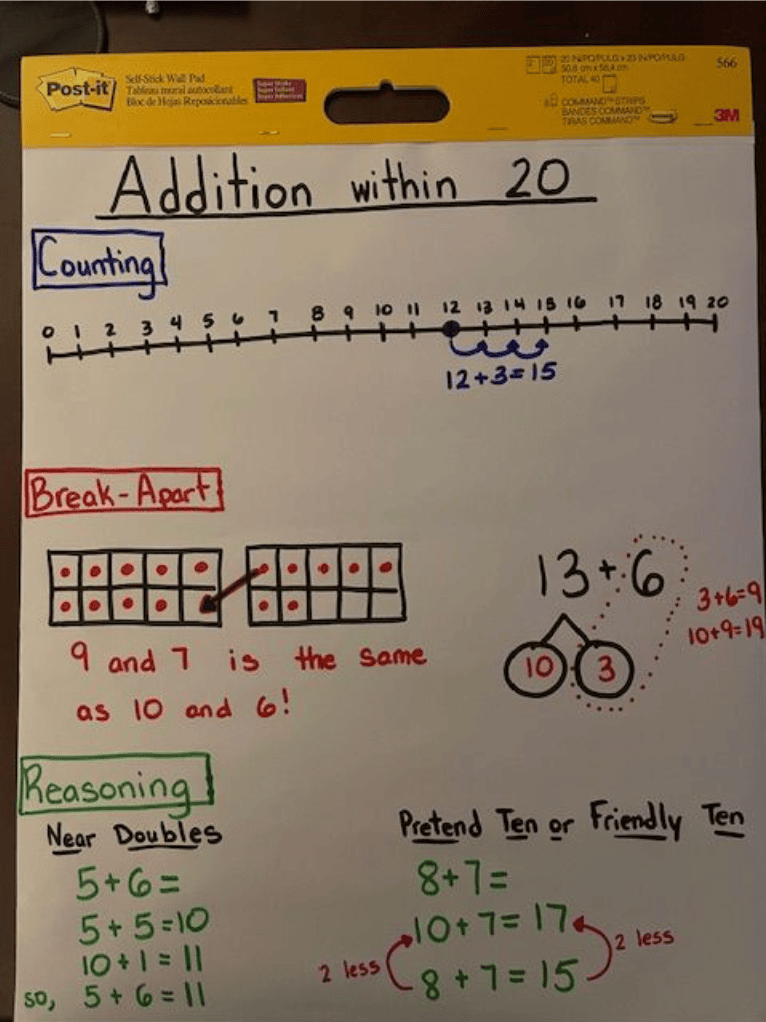
- Organize Your Strategies: Group your teaching strategies into three clear categories: Counting, Decomposing (breaking numbers apart), and Reasoning. Create an anchor chart for students to use as a reference during lessons, practice, and even assessments. Using these categories across different units helps students generalize their learning.
- Strategic Practice Problems: Preselect or create practice problems that match your students’ fluency goals; for example, if a student is working on their multiplication facts, you can adjust the problems to focus on the facts they’re practicing.
During Instruction: Engaging All Learners
Once the lesson is underway, these strategies can help keep every student engaged in the learning:
- Teach the Go-To Strategy: Present the Go-To strategy first within a real-world problem, also known as an Anchor Task. Students are more motivated when they see the relevance of what they’re learning.
- Scaffold-Instruction using Concrete-Pictorial-Abstract (CPA): Use the CPA approach to help students understand and remember concepts. Start with hands-on activities, move to visual representations, and then to abstract numbers and symbols.
- Spiral Questions to Encouraging Connections: Use “what-if” questions to move through the spiral curriculum. For example, when teaching the addition of larger numbers, transition from two-digit to three-digit and then to four-digit problems.
- Strategy Cards: Create cards that support student thinking with visual representations. These are similar to the board plan or class anchor chart.
- Lesson Flow Checklists: Give students a checklist that outlines the lesson’s stages and what’s expected at each step. This helps them stay on track and reduces their cognitive load, so they can focus on the math itself.
- Strategic Practice Problems: Let students choose practice problems that align with their fluency goals, or select them intentionally yourself. This can boost their engagement and motivation.
After Instruction: Reflecting and Adjusting
The learning journey doesn’t end when the lesson is over. Here’s how to wrap things up effectively:
- Celebrate Successes: Take time to recognize and celebrate your students’ progress and your own growth as an educator.
- Reflective Practices: After each lesson, think about what went well and what you could improve. Don’t be afraid to ask for feedback from your students and colleagues.
- Student Feedback: Encourage students to share their experiences and challenges. Use their feedback to make necessary adjustments to your teaching methods and materials.
After Instruction: Assessment Practices
- Follow Assessment Guidelines: Review and follow your school’s assessment administration guidelines to ensure consistency and fairness in assessment practices. Check that IEP accommodations are a part of these guidelines.
- Identify Basic Understanding: Start unit assessments with questions that test basic understanding before moving on to application questions. This helps build confidence and ensures a solid grasp of foundational concepts. Don’t assume that students can’t try application or novel problem types. All learners deserve the opportunity to engage with a range of math problems.
- Use Concrete-Pictorial-Abstract (CPA) Approach: Encourage students to use the Concrete-Pictorial-Abstract (CPA) approach during formal assessments to show their understanding.
- Gather Diverse Evidence: Look beyond formal assessments to gauge your students’ learning. Use exit tickets, teacher observations, journal entries, and anecdotal notes to gauge student understanding and progress.
- Make Data-Driven Decisions: Analyze diverse assessment evidence to identify trends and areas needing attention. Ask yourself, What is holding back the mathematicians?
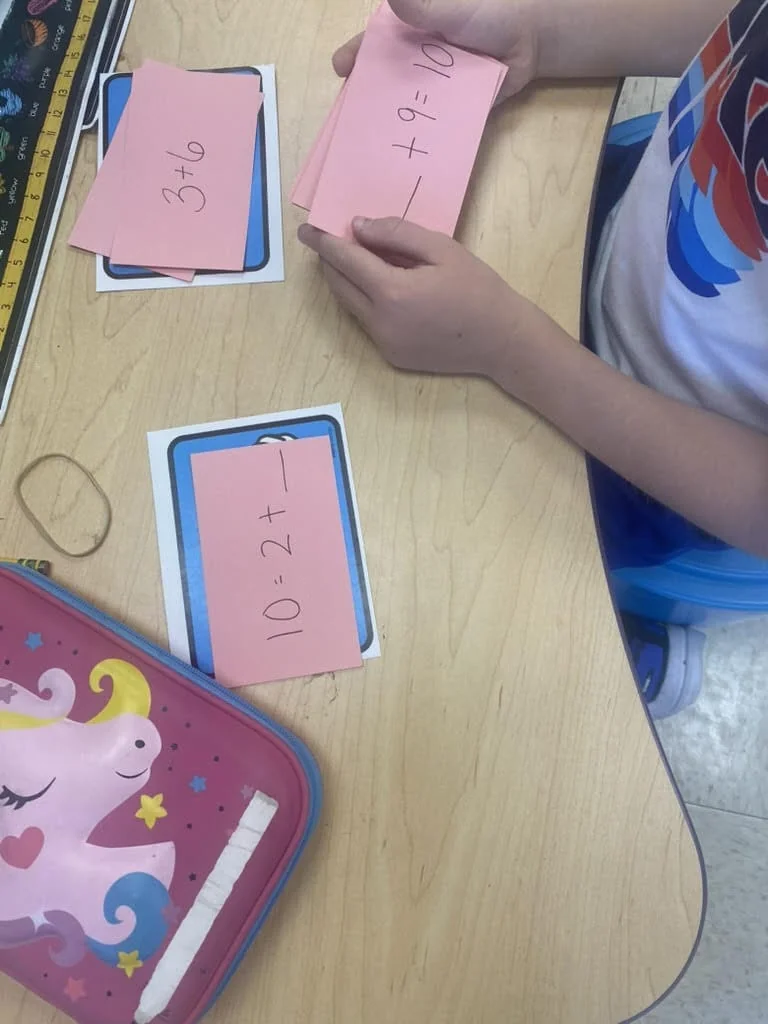
Struggle Check: Understanding Why Kids Struggle in Math: Here are key reasons why mathematicians struggle:
- Fluency
- Do they know their basic facts?
- Breaking Numbers Apart
- Can they break apart numbers using place value? This shows number sense.
- Can they decompose numbers in multiple ways?
- Place Value
- Do they relate problems to place value?
- Understanding the Structure of a Word Problem
- Can they comprehend word problems, especially when they involve taking something or leaving something?
- Do they know how to make visual representations on paper and then in their minds?
By using some of these approaches, you can create a learning environment that truly meets the needs of every student. Remember, the journey to inclusive education is ongoing, and your dedication makes a huge difference. Seek Professional Learning Opportunities. Attend workshops, join professional learning communities, and stay updated on best practices in teaching mathematics. Let’s keep learning and growing together!